Journal
Notes from the register.
Reference pieces on how device identity actually works — written from the register's side of the problem, for the people who have to build against it.
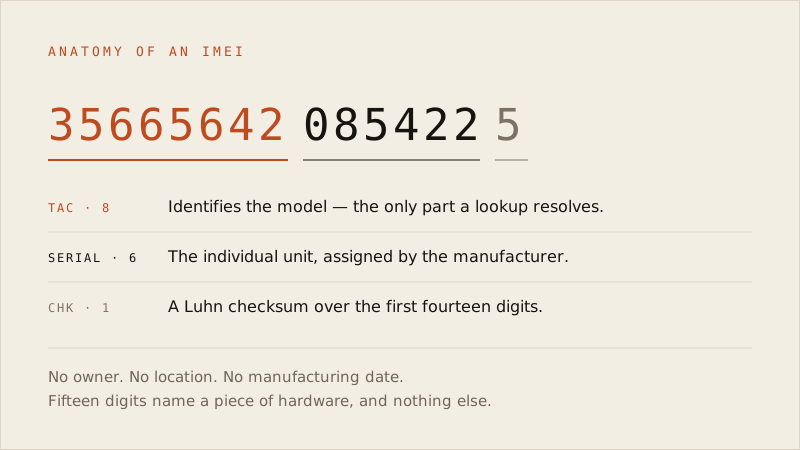 FundamentalsWhat an IMEI actually tells youFifteen digits, three parts, one of them a checksum. What the number encodes, what it doesn't, and where people read too much into it.
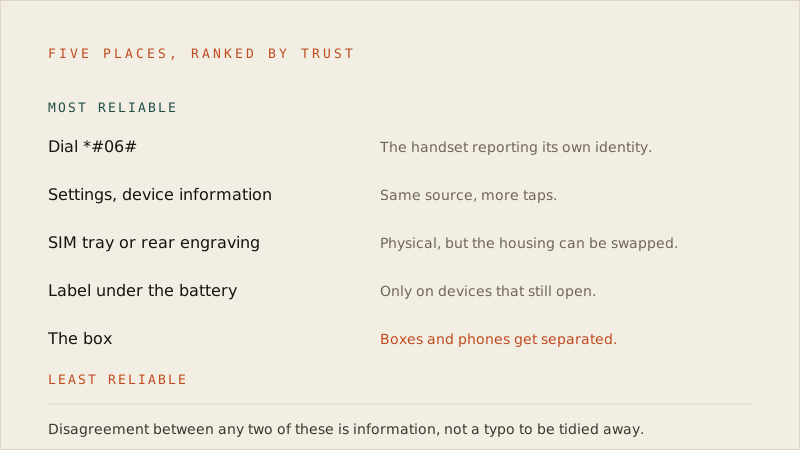 FundamentalsFive places to read an IMEI, ranked by how much to trust themThe dialled code is the only source that cannot be faked with a sticker. When the handset is dead or gone, four other routes remain — and one is usually forgotten.
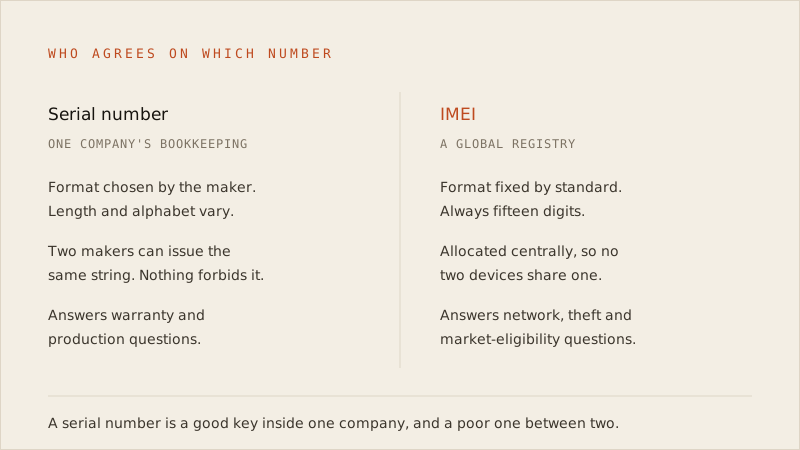 FundamentalsWhat a serial number is good for, and what it isn'tA serial number is the manufacturer's own bookkeeping. It answers warranty and repair questions precisely, and network questions not at all.
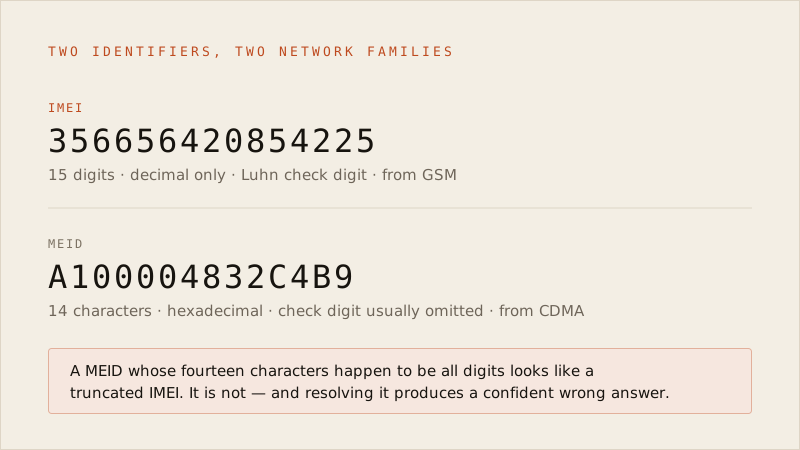 FundamentalsMEID and IMEI: when you still meet the other oneTwo identifier schemes from two network families. What actually differs, and what to do when a device hands you fourteen hex characters instead of fifteen digits.
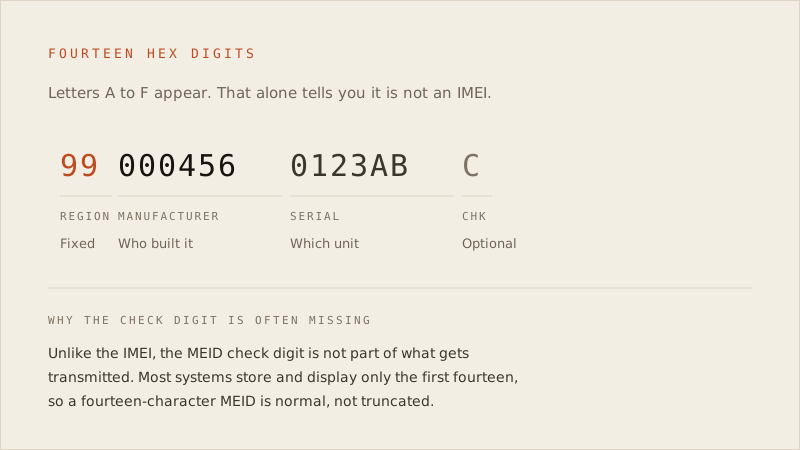 FundamentalsThe MEID, and why it outlived the networks it was built forFourteen hexadecimal digits from the CDMA era. The networks are switched off, the numbers are still in your database — and intake systems still have to recognise them.
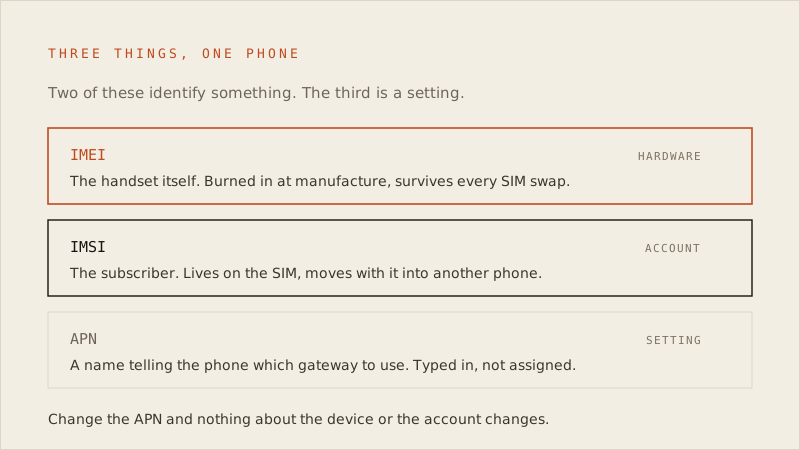 FundamentalsAPN and IMEI are not the same kind of thingOne is a setting you type in, the other is an identity burned into the hardware. Confusing them sends people to fix the wrong layer of a connectivity problem.
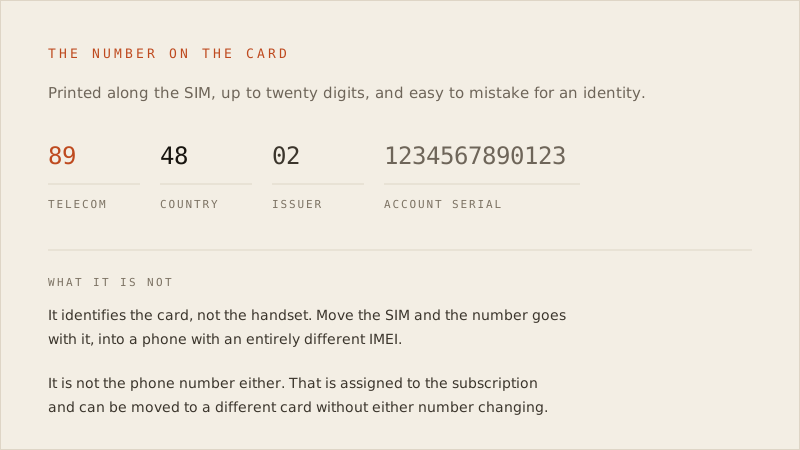 FundamentalsThe ICCID is the card's number, not the phone'sUp to twenty digits printed along a SIM. It identifies a piece of plastic that moves between handsets — which is exactly why it answers none of the questions people ask it.
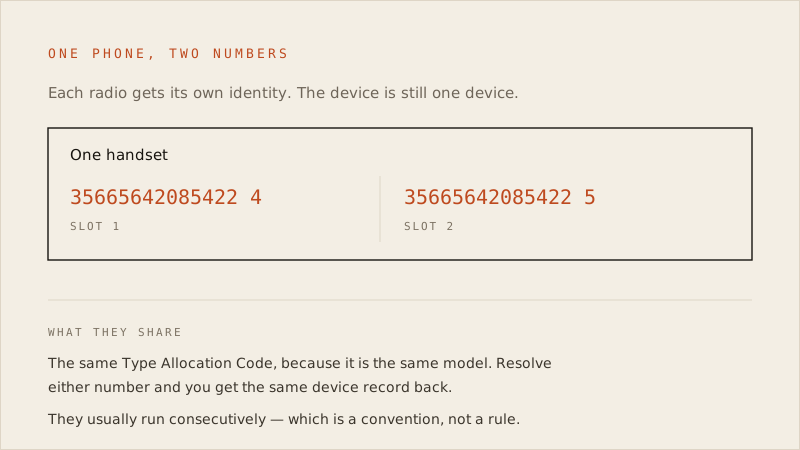 FundamentalsA dual-SIM phone has two IMEIsOne handset, two radios, two identities. Systems built on the assumption of one number per device produce duplicate records and miss blocks.
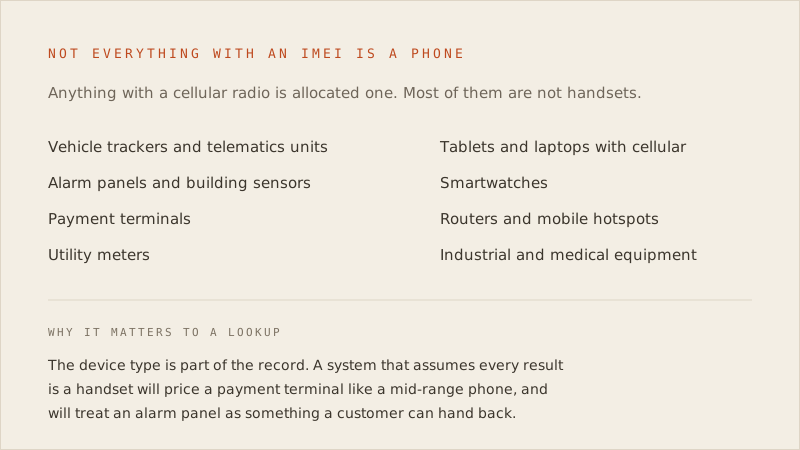 FundamentalsMost things with an IMEI are not phonesTrackers, alarm panels, payment terminals and meters all carry one. Systems that assume every lookup returns a handset get the arithmetic wrong.
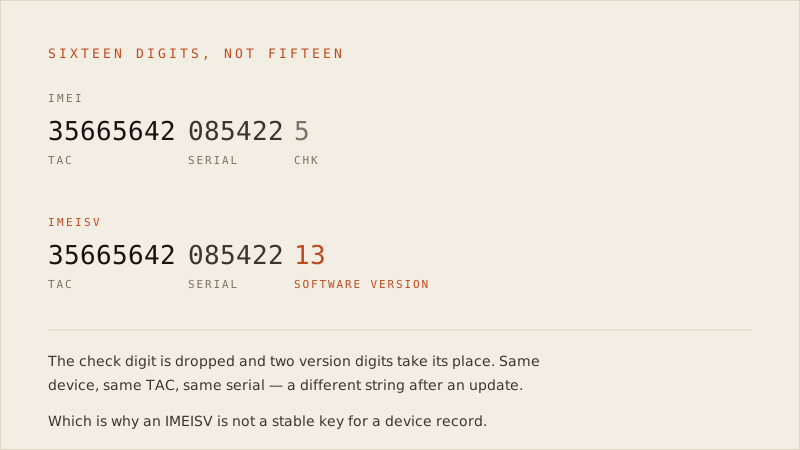 FundamentalsThe sixteen-digit one is not a longer IMEIAn IMEISV swaps the check digit for two software-version digits. Store it as an identity and one phone quietly becomes four rows.
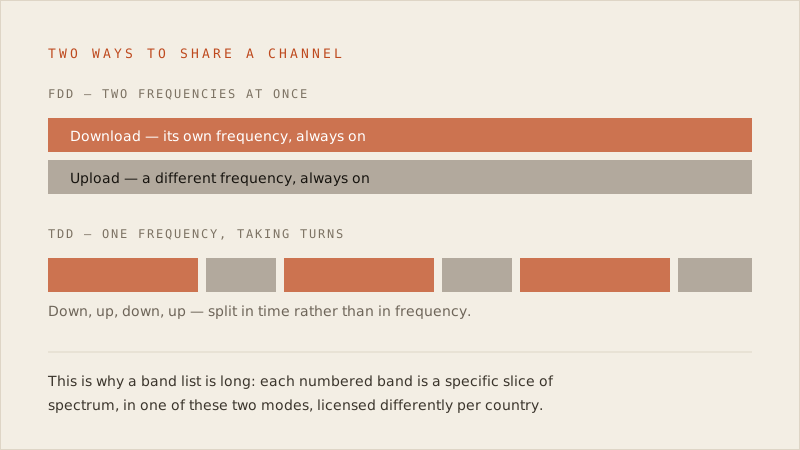 FundamentalsWhy the band list is long, and why it decides everythingForty entries that look like noise on a spec sheet. What matters is not how many a phone has, but how many it shares with the networks where you are.
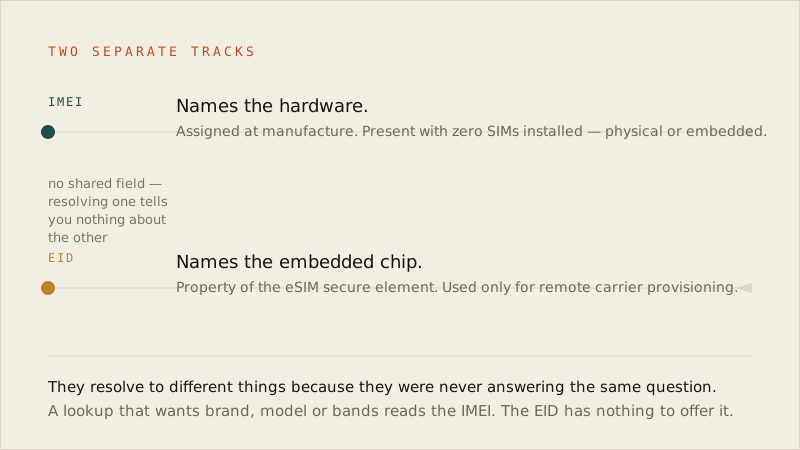 FundamentalsWhere the eSIM fits when there's no tray to look inAn eSIM replaces the card, not the device's identity. What an EID actually is, how it relates to the IMEI, and why removing the tray didn't remove the lookup problem.
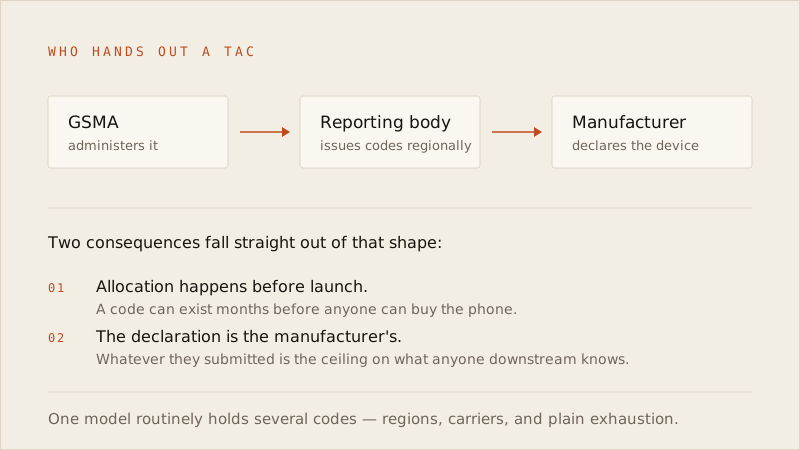 IndustryWho hands out TAC codes, and why no database is completeType Allocation Codes are issued, not discovered. How the allocation chain works, and why every TAC database — including ours — has gaps.
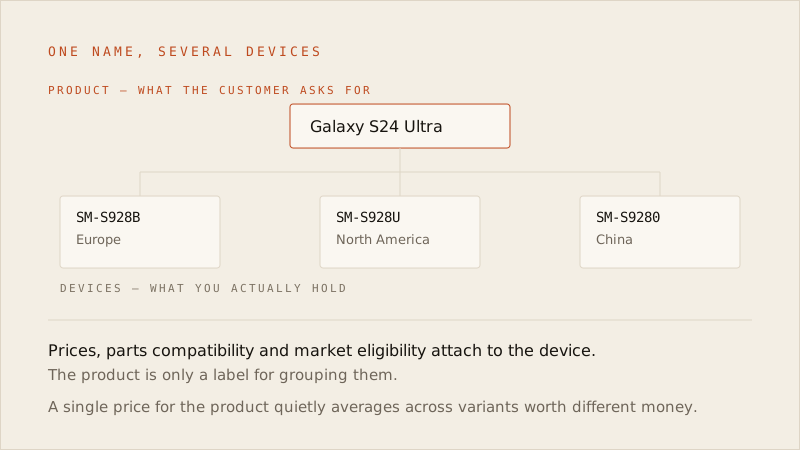 IndustryOne phone name, many actual devicesThe name on the box is marketing. Underneath it sit regional variants, carrier builds and separate code names — and they are not interchangeable.
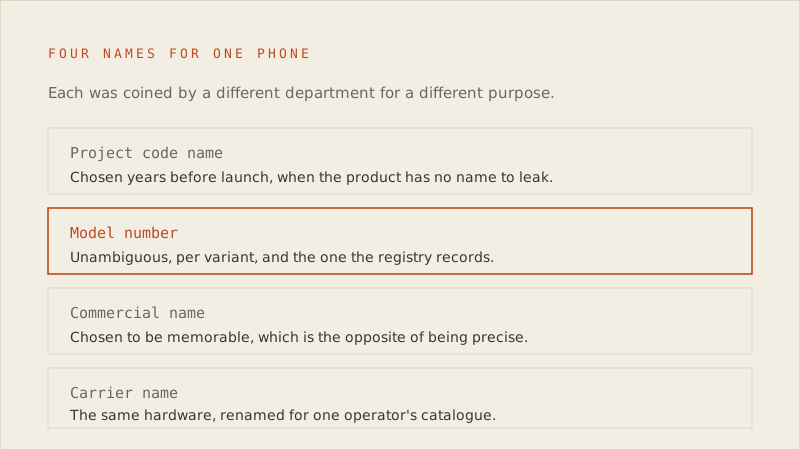 IndustryWhy a phone has four names, and which one to key onA project code name, a model number, a commercial name and a carrier name. Only one of them is precise enough to order a part against.
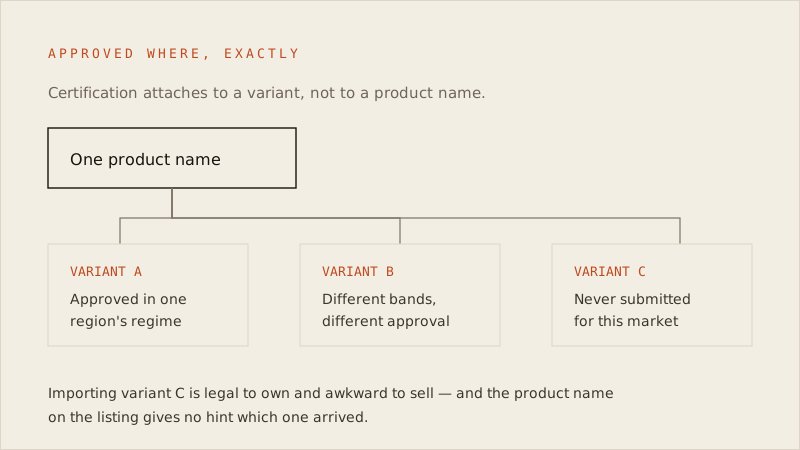 IndustryA phone is approved market by market, not onceCertification attaches to a hardware variant and a jurisdiction. That is why a genuine handset can be perfectly legal to own and awkward to sell where you are.
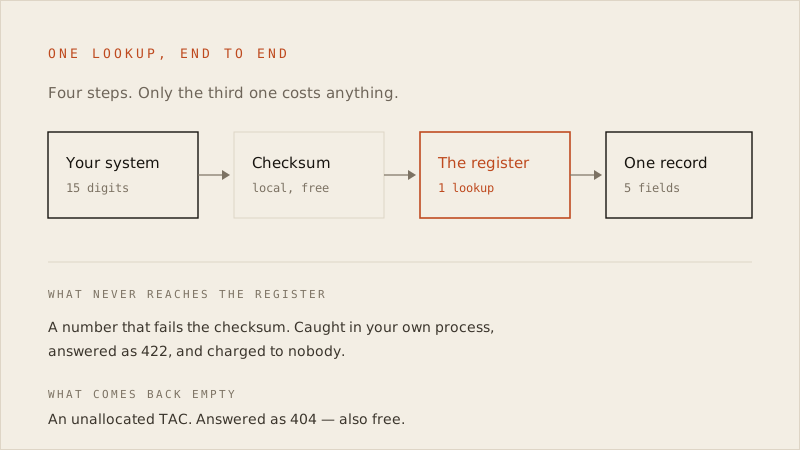 FundamentalsWhat an IMEI API is forAn IMEI lookup turns fifteen digits into a device record. What that buys you, what it cannot tell you, and when a lookup beats a list you maintain yourself.
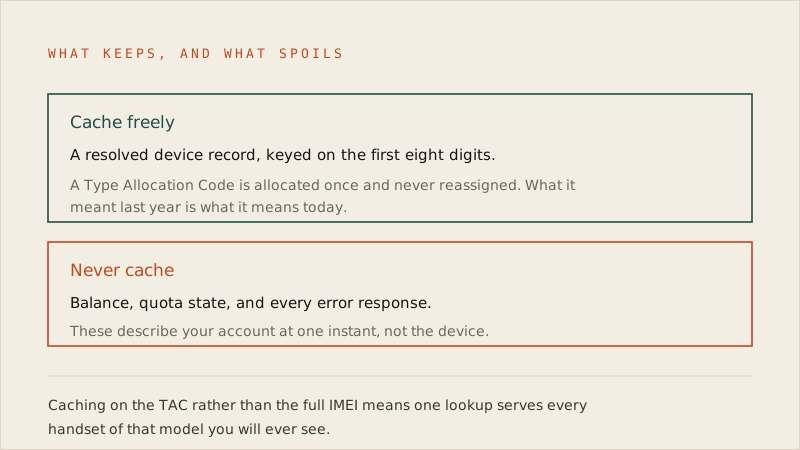 ApplicationsCaching and retrying device lookupsA Type Allocation Code never changes meaning, which makes device records unusually safe to cache. Knowing which failures are worth retrying matters just as much.
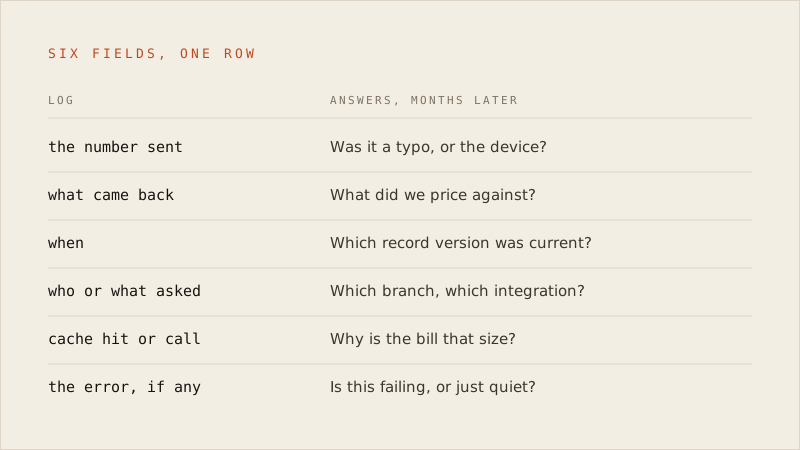 ApplicationsSix fields to write down every time you resolve a deviceMonths later, someone will ask why a phone was priced the way it was. These six answer it; anything less turns into an argument.
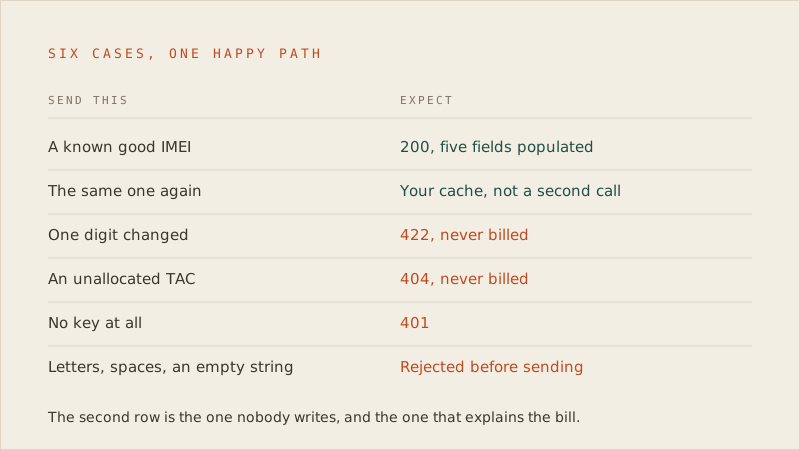 ApplicationsTesting a lookup integration without spending your balanceSix cases worth covering, only one of which is the happy path — and most of them never need to leave your machine.
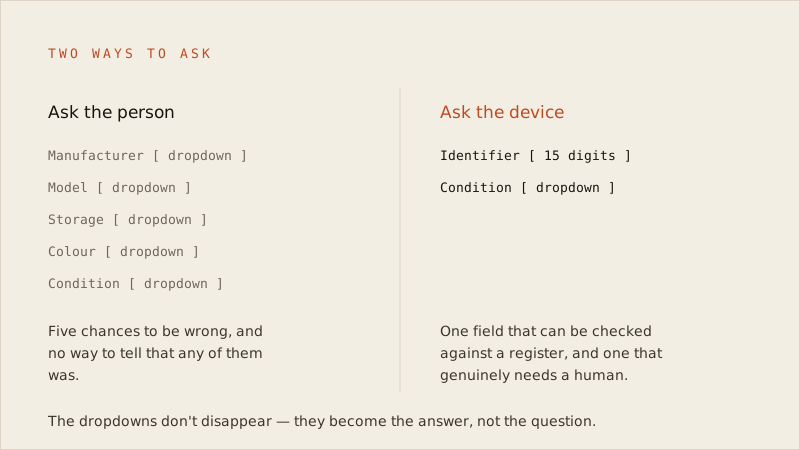 ApplicationsAn intake form that doesn't lie to youEvery dropdown asking a person to classify a device is a chance to be wrong with no way of noticing. One checkable field replaces most of them.
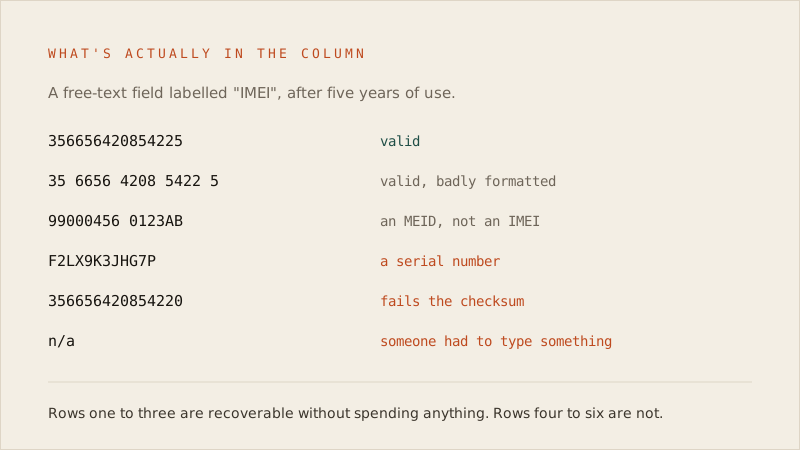 ApplicationsCleaning a device column that has been free text for yearsA field labelled IMEI accumulates serial numbers, MEIDs, formatting debris and placeholder text. Most of it can be sorted out before spending anything.
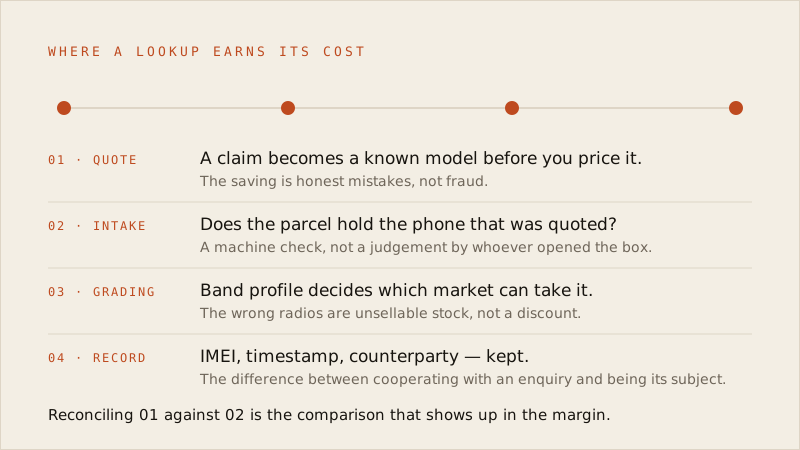 ApplicationsWhere the IMEI sits in a buyback flowTrade-in and buyback operations run on device identity. A walk through the intake pipeline, and the four places a lookup earns its cost.
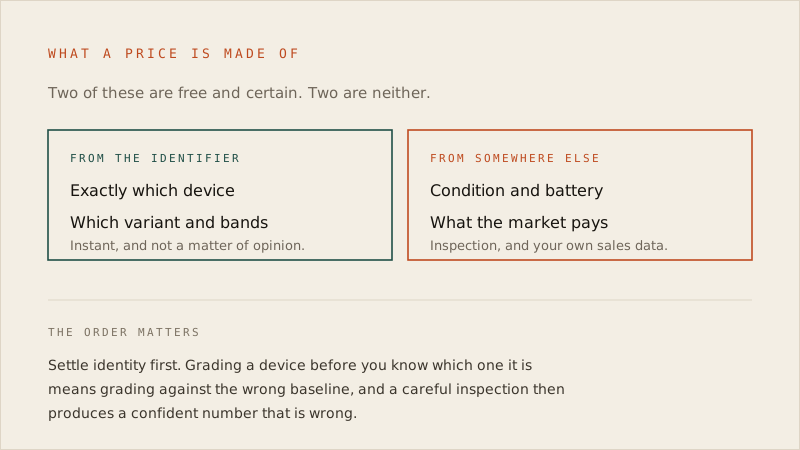 ApplicationsHalf of a used phone's price is settled before anyone looks at itIdentity and variant come from the number, instantly and without opinion. Condition and market rate do not. Confusing the two halves is where margin leaks.
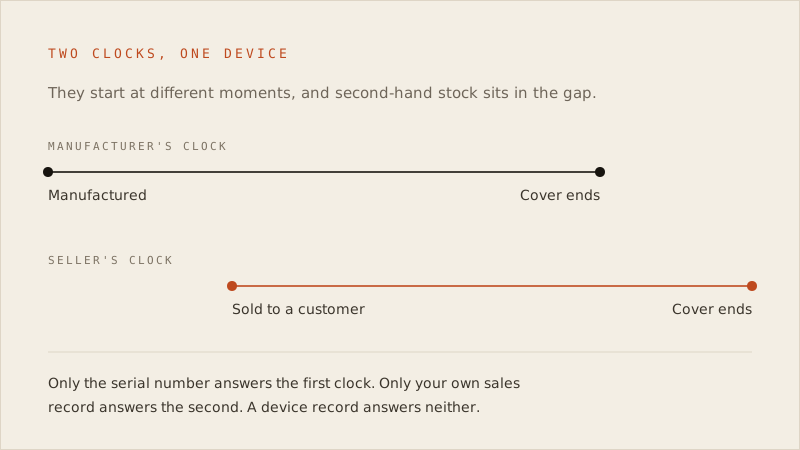 ApplicationsWarranty runs on two clocks, and neither is the IMEIRepair intake needs three different numbers for three different questions. Knowing which answers what stops parts being ordered twice.
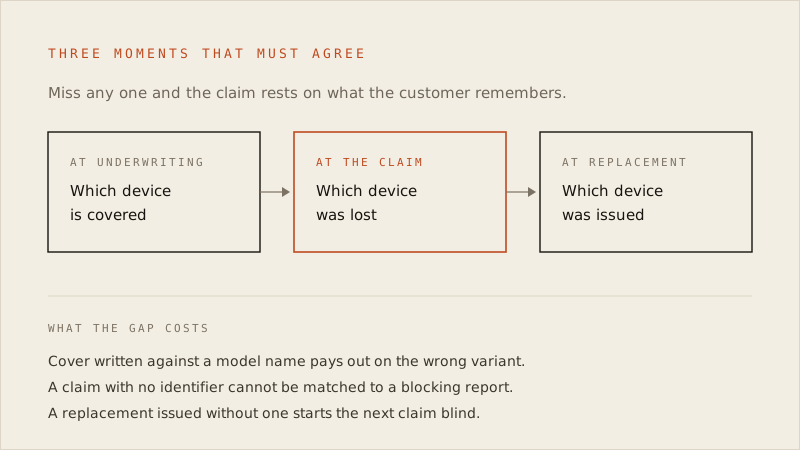 ApplicationsThe identifier is the only fixed point in a claimDevice insurance rests on knowing which handset was covered, which was lost and which was issued. Model names cannot carry that weight.
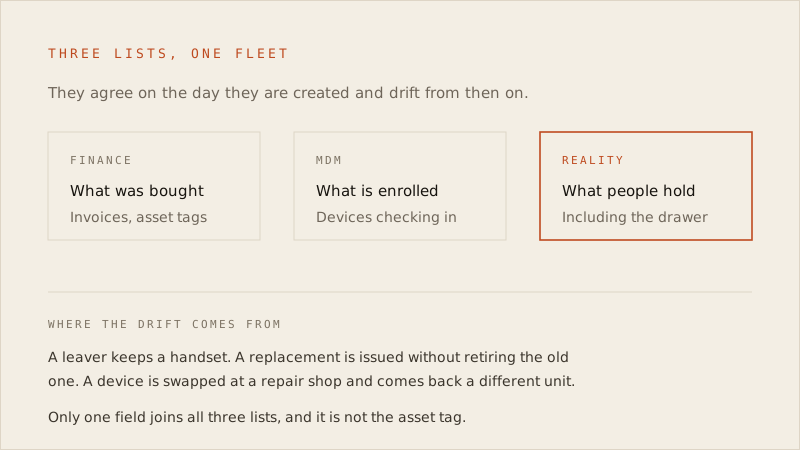 ApplicationsThree lists that stop agreeing about your fleetFinance knows what was bought, the management system knows what checks in, and neither knows what is in the drawer. One field joins all three.
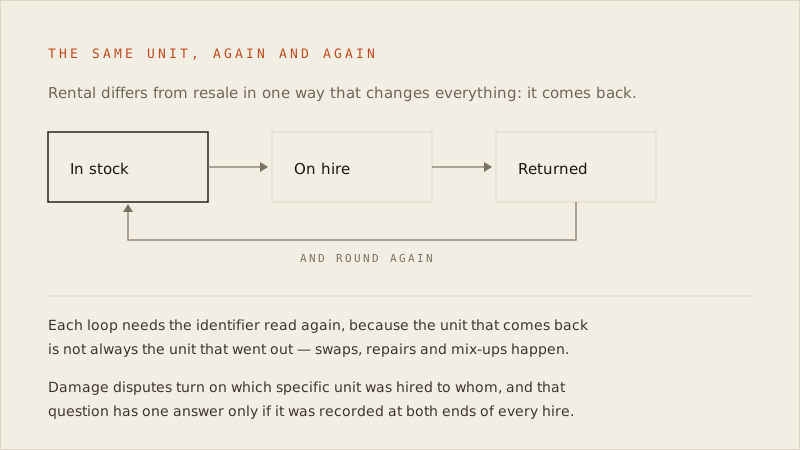 ApplicationsRenting devices out means identifying the same unit repeatedlyResale ends the relationship with a device. Rental does not — the unit comes back, goes out again, and every dispute turns on which one it was.
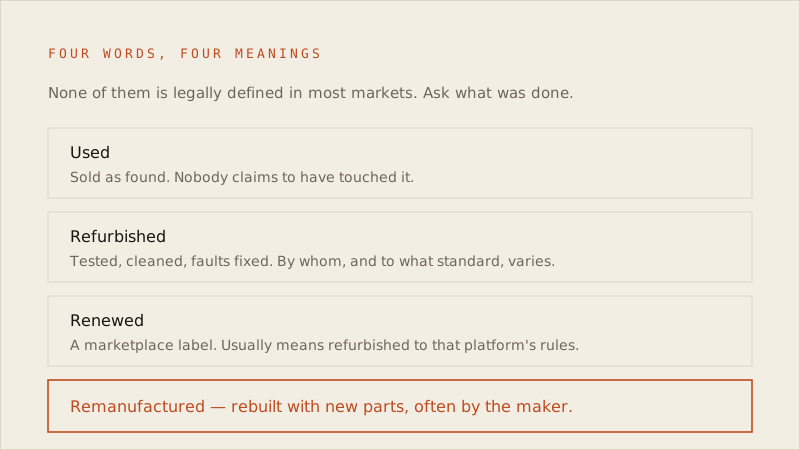 IndustryRefurbished, renewed, remanufacturedThree words for a used phone, none of them legally defined in most markets. What they tend to mean, and which questions get you an answer that isn't marketing.
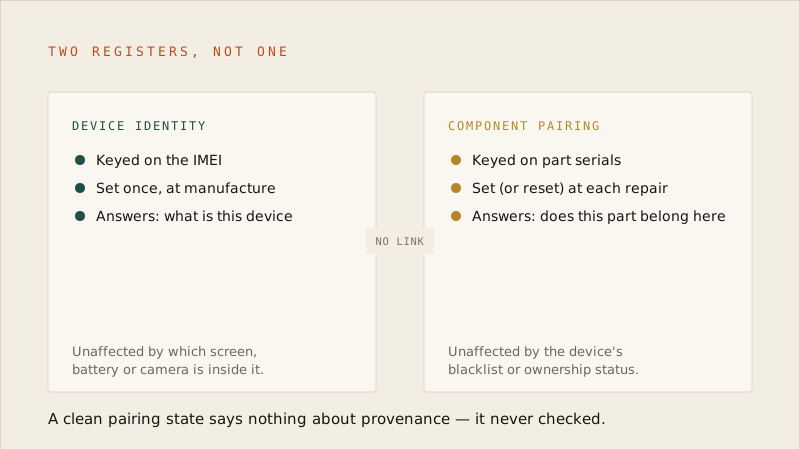 IndustryWhen a genuine replacement part still trips a warningSome manufacturers tie internal components to one specific handset in software. What that has to do with device identity, why regulators are pushing back, and what it means for repair and refurbishment.
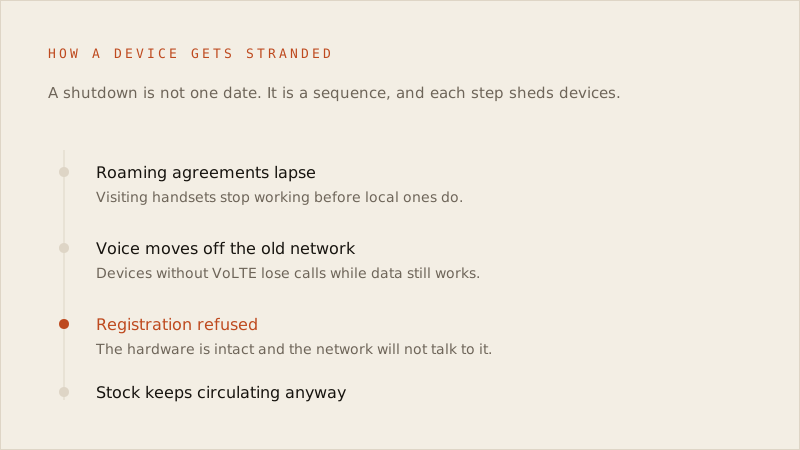 IndustryWhen a network is switched off, the phones don't disappear2G and 3G shutdowns strand working handsets in stages. What decides whether a device survives is its band list — not its age, and not its condition.
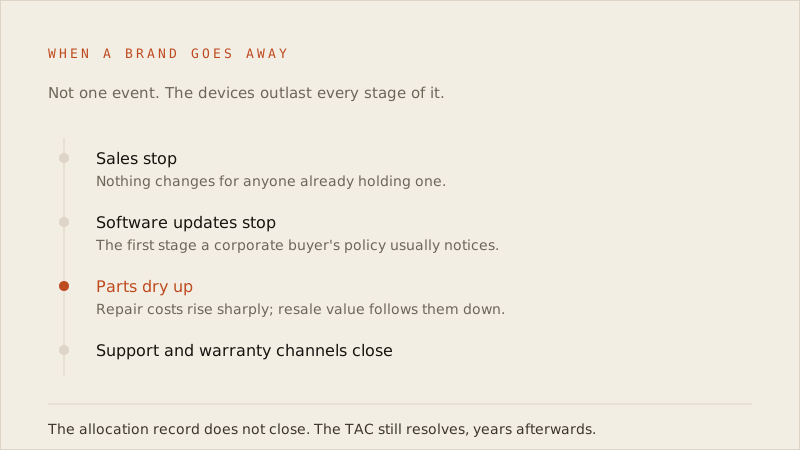 IndustryWhen a brand leaves, its phones staySales stop, then updates, then parts. The handsets carry on circulating through all of it, and the allocation record never closes.
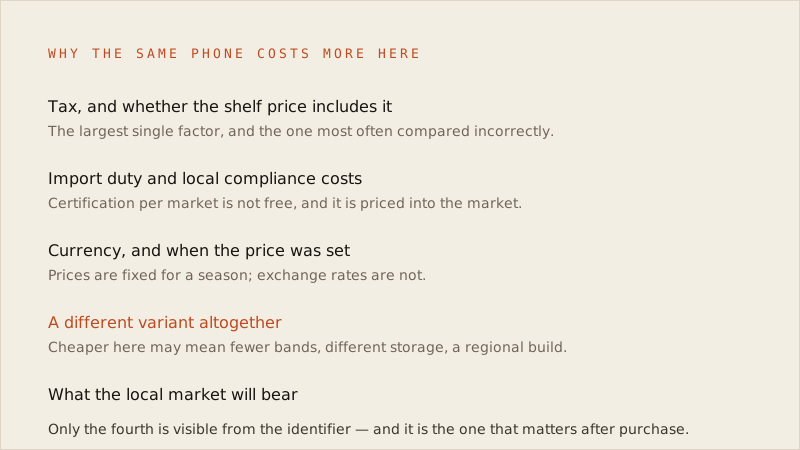 IndustryWhy the same phone costs more here than thereFive reasons, and only one of them is still visible after the phone is in your hand — which is the one worth checking before you buy.
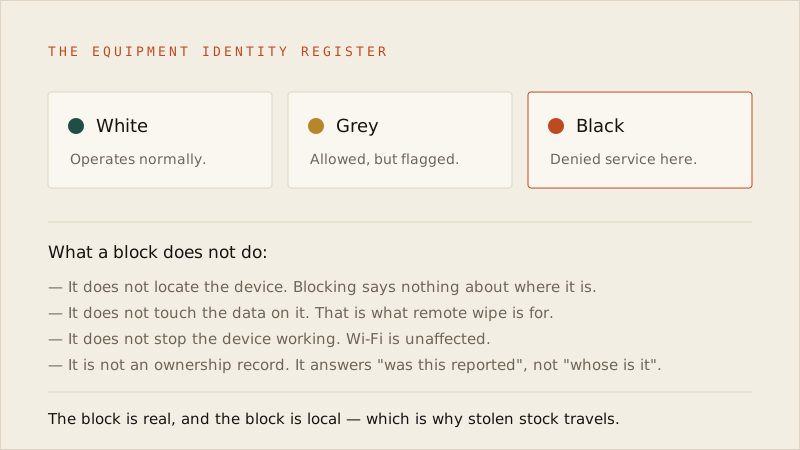 SecurityWhat an IMEI blacklist is, and what it is notBlacklists are network access controls, not ownership records. How they work, who honours them, and why a clean result is weaker evidence than most buyers assume.
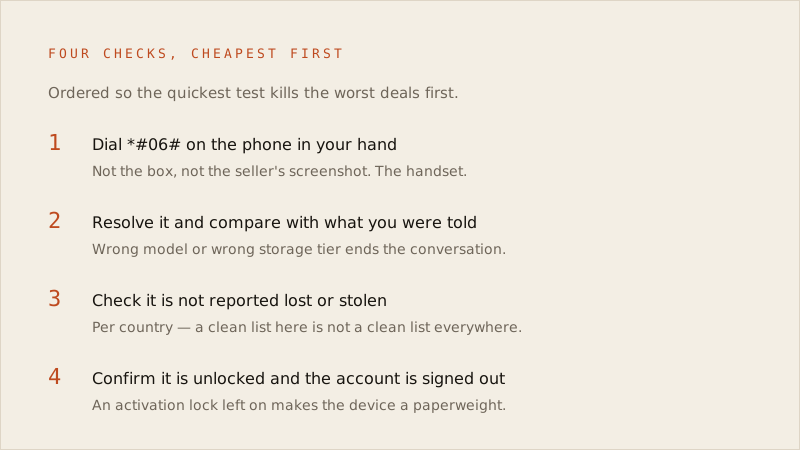 ApplicationsFour checks before you hand over the moneyMost bad second-hand phone deals fail the same four tests, and all four can be done standing in front of the seller in under five minutes.
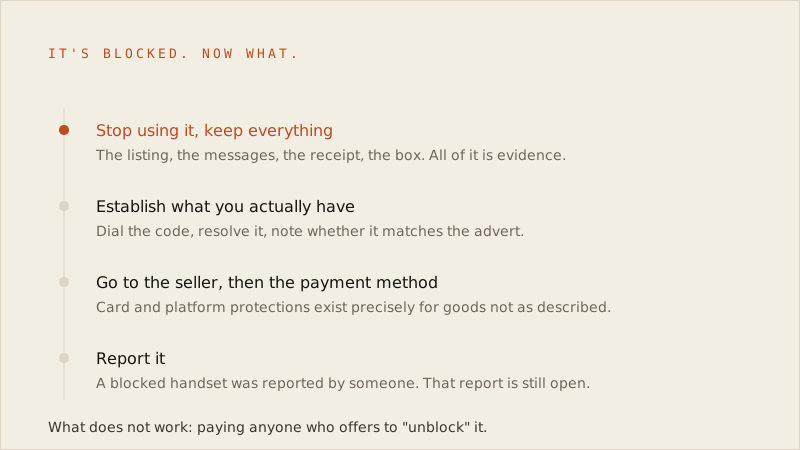 SecurityYou bought a phone and it turned out to be blockedWhat can actually be done, in what order, and why paying someone to unblock it is the one option that never works.
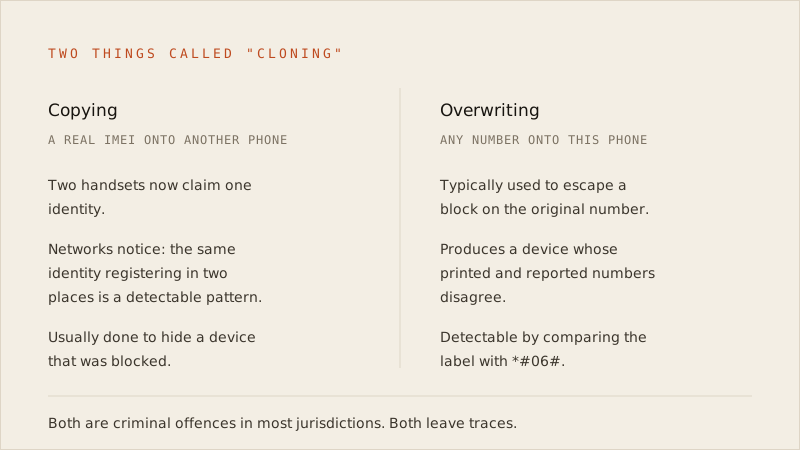 SecurityIMEI cloning, and why it fails more often than it worksCopying an identity onto another handset, or overwriting a handset's own. Both are criminal, both are detectable, and neither is as common as the warnings suggest.
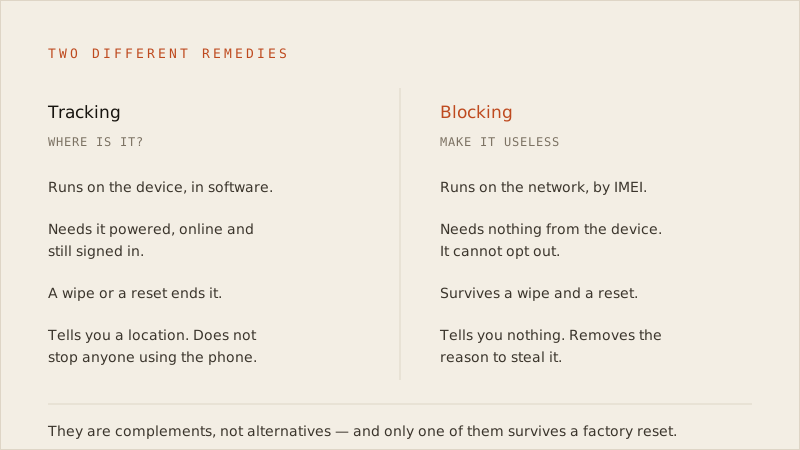 SecurityTracking a phone and blocking it are different remediesOne runs on the device and dies with a factory reset. The other runs on the network and does not care what the thief does to the handset.
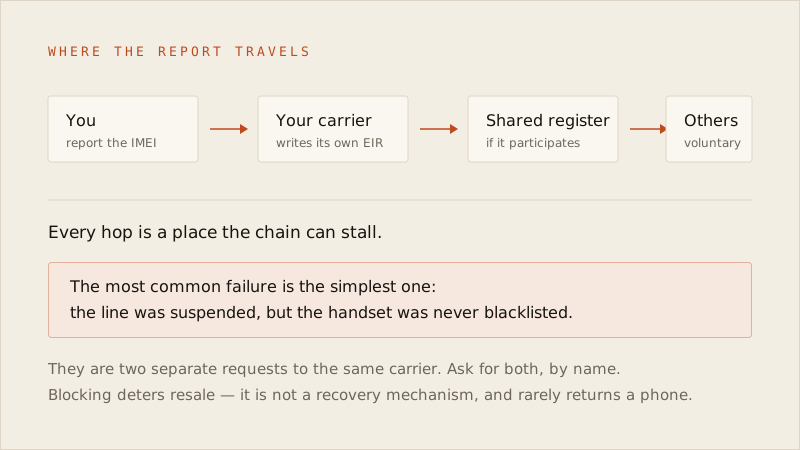 SecurityWhat actually happens after you report a phone stolenThe chain from a police report to a blocked handset runs through several organisations. Where it works, where it stalls, and what to do in the first hour.
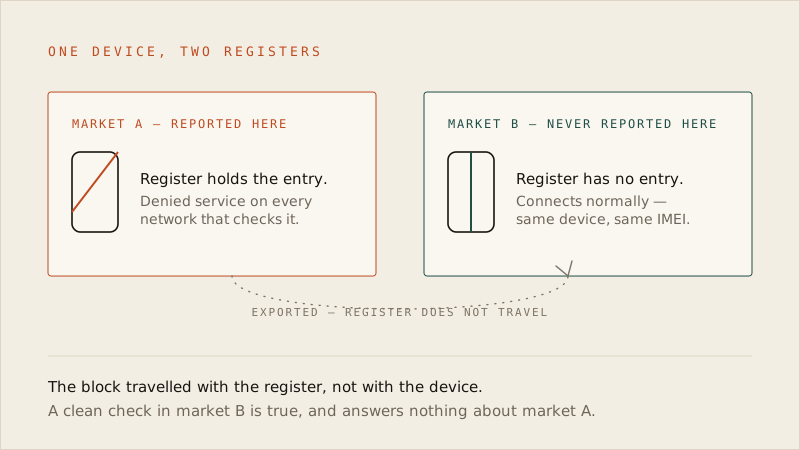 SecurityThe blacklist is national. The device is not.A phone blocked in one country can be working again two borders later. Why blacklist coverage is a patchwork, and what that means for anyone buying or exporting used devices.
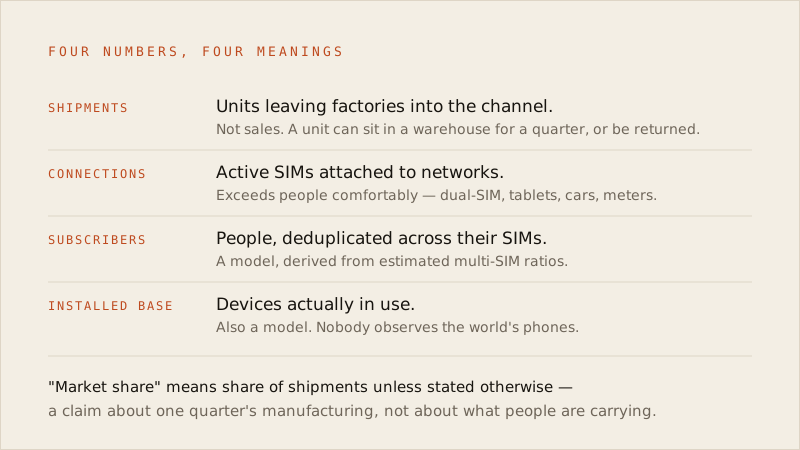 IndustryHow the world's phones get counted, and why the numbers disagreeShipments, connections, subscribers, installed base: four different quantities routinely quoted as one. What each actually measures.